

At a Glance: Choosing between becoming an owner-operator or a company driver is one of the biggest decisions a truck driver will make. Company drivers receive a steady paycheck, benefits, and less financial risk. Owner-operators have more freedom and higher earning potential but take on significant startup costs, truck maintenance, and administrative tasks. The right path depends on your financial situation, personal preference, and long-term goals in the trucking industry.
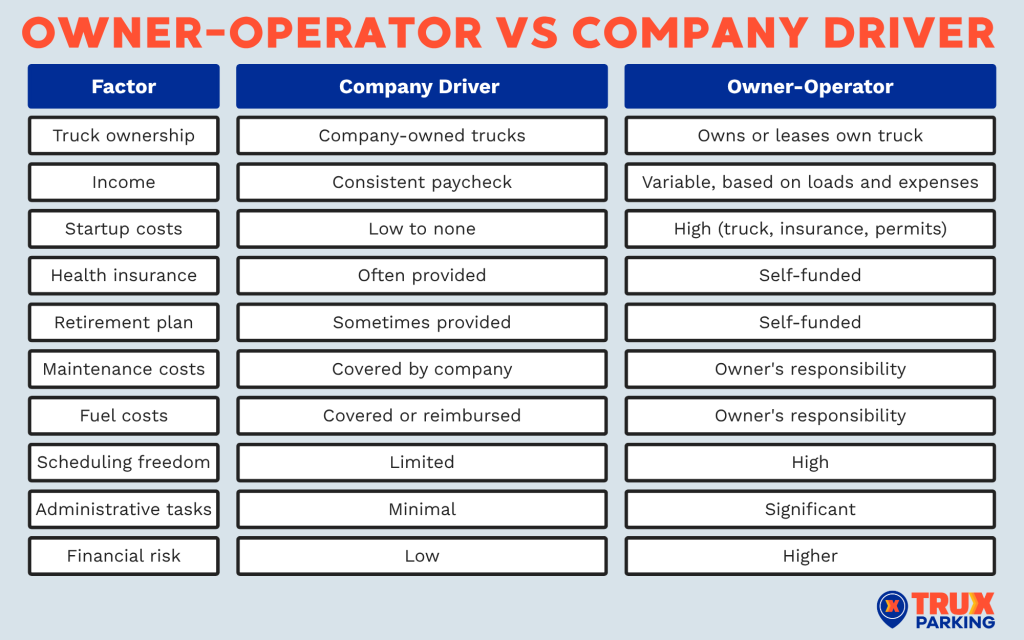
Both career paths have real advantages and real drawbacks. The differences between the two paths show up across nearly every part of a driver’s working life, from income and benefits to daily schedule and long-term financial responsibility.
What Is a Company Driver?
A company driver works directly for a trucking or carrier company. The company owns the truck, handles truck insurance, and covers most operational costs. In exchange, the driver earns a consistent paycheck and follows the company’s schedule and rules.
For many professional drivers, this arrangement provides a stable foundation to build experience in the trucking industry without taking on significant financial risk.
What Company Drivers Typically Receive
- A company truck with maintenance handled by the employer
- Health insurance and sometimes a retirement plan
- Paid training and onboarding
- A predictable, consistent paycheck
- No startup costs or truck payments
What Company Drivers Give Up
- Freedom to choose their own loads or routes
- The ability to be their own boss
- A share of the profit margin they help generate
- Flexibility in day-to-day operations
For professional drivers who want stability and are newer to the trucking industry, a company driver position provides a clear career path with fewer financial surprises. You show up, drive, and get paid. The trucking company handles the rest.
That simplicity is genuinely valuable, especially early in a trucking career when learning the industry matters more than maximizing income.
What Is an Owner-Operator?
An owner-operator is an independent contractor who owns or leases their own truck and runs their trucking business independently. They may lease under a carrier company, work directly with freight brokers, or find their own loads through a load board.
Owner-operators are business owners in every sense of the word. That means more control and more responsibility sitting on the same set of shoulders.
What Owner-Operators Gain
- The ability to be their own boss
- Higher income potential when freight rates are strong
- Freedom to choose loads, lanes, and schedules
- The option to build a trucking business over time
- Direct relationships with freight brokers and shippers
What Owner-Operators Take On
- Truck payments and operating costs
- Truck maintenance and unexpected repair bills
- Insurance premiums for their own truck
- Health insurance and retirement planning
- Administrative tasks like accounting, permits, and taxes
- No guaranteed steady paycheck
Owner-operators carry more financial risk, but they also keep more of what they earn. When the market is strong and the truck is running, the earning potential is significantly higher than what a company truck driver makes.
Independent drivers who go into the owner-operator path with a clear financial plan and solid industry experience tend to fare better than those who make the jump too early.
Weighing Your Options
Deciding between these two paths comes down to more than just income. It touches on how you want to spend your time, how much risk you are comfortable carrying, and what you actually want your day-to-day life on the road to look like. Here is a closer look at the factors that matter most.
Breaking Down the Financial Picture
Money is usually the first thing professional drivers want to understand when comparing these two paths.
Company drivers earn a per-mile rate or hourly wage set by the trucking company. It is not the highest income in the industry, but it is reliable. Health insurance, paid time off, and a retirement plan can add meaningful value beyond the base pay. With no operating expenses coming out of pocket, budgeting stays straightforward.
Owner-operators work from gross revenue, not take-home pay. Before any money reaches their pocket, they cover truck payments, fuel costs, maintenance and repairs, insurance premiums, permits, and freight broker fees when applicable. When freight rates are high and the truck stays running, owner-operators can out-earn company drivers by a wide margin. When rates dip or a major repair hits, the financial pressure builds fast. Financial planning is not optional for owner-operators. It is part of running a trucking business.
Startup Costs: What It Takes to Go Independent
One of the biggest barriers to becoming an owner-operator is the startup costs involved. Professional drivers considering this path should account for:
- A down payment on a truck or lease agreement
- Commercial truck insurance premiums
- Authority and operating permits
- IFTA fuel tax registration
- Drug testing and compliance programs
- An emergency fund for maintenance costs and slow freight periods
Starting out as an independent owner-operator without a financial cushion puts drivers in a difficult position when unexpected costs arrive. A single major repair, a slow freight week, or a gap between loads can create serious cash flow problems if there is no reserve to draw from.
Many aspiring owner-operators spend a few years as company drivers first to build savings and develop industry knowledge before making the move. That time also gives drivers a better sense of whether the owner-operator lifestyle actually fits what they want from their trucking career.
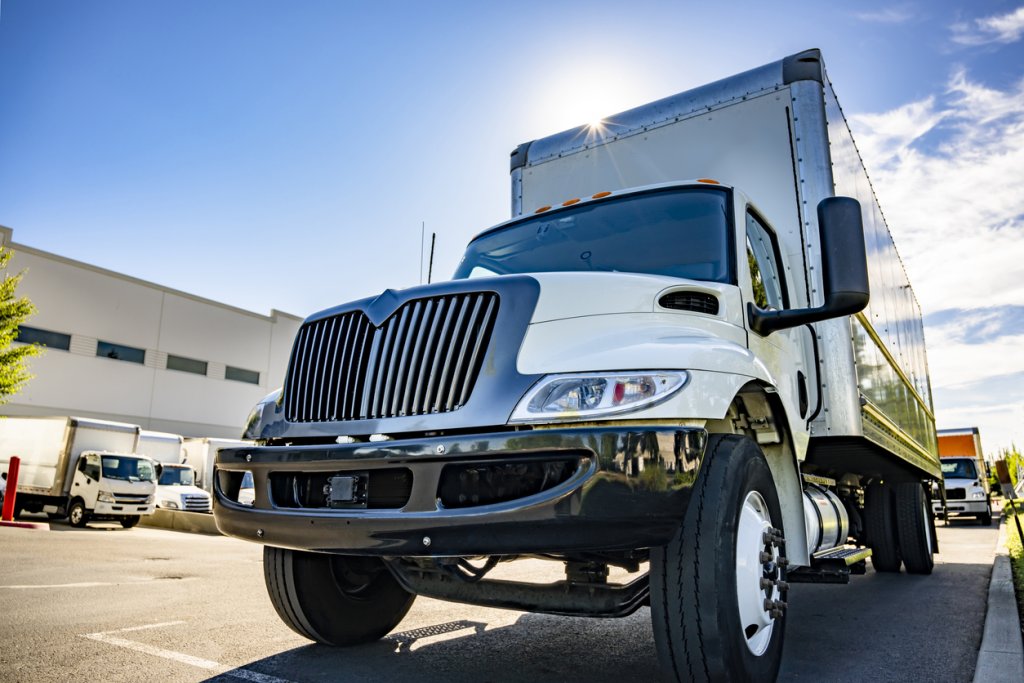
Lifestyle and Flexibility
Company drivers work on the company’s terms. That often means assigned routes, set schedules, and limited input on which loads they haul. Some positions offer home time guarantees and consistent runs that keep drivers close to family. Others keep professional drivers on the road for long stretches with less flexibility. The predictability can be a genuine benefit for drivers who prefer a structured routine and do not want to spend time managing a business after hours.
Owner-operators set their own schedules and choose which loads to accept, which lanes to run, and when to take time off. That freedom comes with the responsibility of keeping the truck moving to cover operating expenses. Idle days cost money when truck payments, insurance premiums, and fuel costs do not pause. Independent drivers who thrive on self-direction tend to find the owner-operator path more rewarding over time, while those who prefer structure and fewer administrative tasks often find more satisfaction in a company driver role.
Building a Career in the Trucking Industry
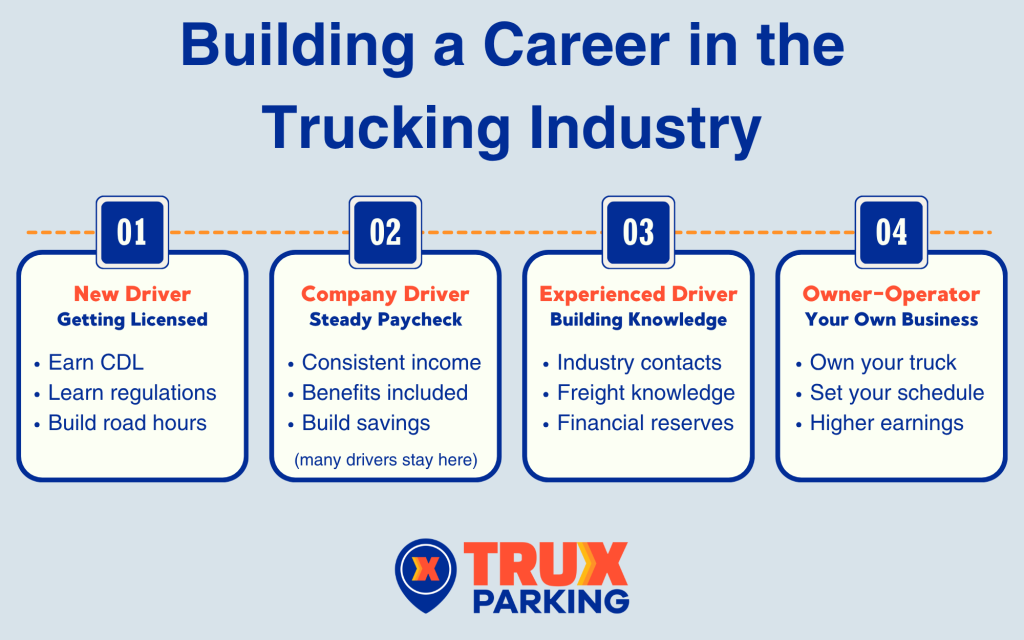
Company driver positions are an excellent starting point for building skills, learning the business, and establishing strong relationships with dispatch teams and shippers. Many of the best owner-operators in the country spent years as company drivers before going independent, and that experience made all the difference when they started managing their own operating costs and day-to-day operations.
For professional drivers already in the owner-operator world, building strong relationships with freight brokers, shippers, and other independent drivers creates a foundation that makes the business more stable over time. Consistent communication, reliable delivery, and smart financial planning are what separate owner-operators who build lasting trucking businesses from those who struggle through the ups and downs of the freight market.
Which Path Is Right for You?
The right choice depends on where you are in your trucking career and what you want from it.
Consider staying a company driver if:
- You are newer to the industry and still building skills
- You want health insurance and benefits without added complexity
- You prefer financial stability over higher income potential
- You are not ready to take on the administrative tasks of running your own business
Consider becoming an owner-operator if:
- You have solid experience and understand the trucking business well
- You have the startup costs and financial reserves to launch without putting yourself at risk
- You are comfortable managing variable income and financial risk
- You want more control over your schedule and long-term career path
Many professional drivers spend years as company drivers before transitioning. That experience builds the industry knowledge, freight broker relationships, and financial savings that make the move to owner-operator far more likely to succeed.
One Less Thing to Worry About on the Road
Choosing between a company driver role and the owner-operator path involves a lot of moving parts, but one thing stays the same no matter which direction you go: you still need a safe, reliable place to park at the end of the day. Long hauls, tight schedules, and unpredictable freight markets are already enough to manage. Secure parking should not be another item on the list. TRUX Parking has secure lots built specifically for working truck drivers, spread across the country so there is always a reliable spot waiting at the end of a run.
Find a location near you:
- Georgia
- Tennessee
- Alabama
- Texas
- Missouri
- Idaho
- Mississippi
- Arkansas
- Oklahoma
- Ohio
- California
- Utah
- Pennsylvania
- North Carolina
- Florida
- Oregon
- Nevada
- South Carolina
- Arizona
Every TRUX location includes electronic gated access via mobile phone, 24/7 security cameras and surveillance, industrial lighting and perimeter fencing, wide lanes built for commercial trucks, and flexible daily and monthly plans with no contracts or hidden fees. Owner-operators protecting their own investment, and company drivers looking for a secure overnight stop both get the same dependable experience. Find a location near your route and reserve your spot today.