

At a Glance: When it comes to storing industrial equipment, outdoor storage offers a flexible, secure, and cost-effective solution. This option provides ample space, easy access, and the ability to scale according to project needs. It’s a top choice for contractors and businesses with growing fleets or heavy machinery.
The Storage Challenge Facing Contractors Today
Finding a place to park and protect your equipment has become increasingly difficult across the United States. Contractors face a growing list of obstacles when it comes to managing their fleets between jobs.
Equipment Parking Shortages and Logistics
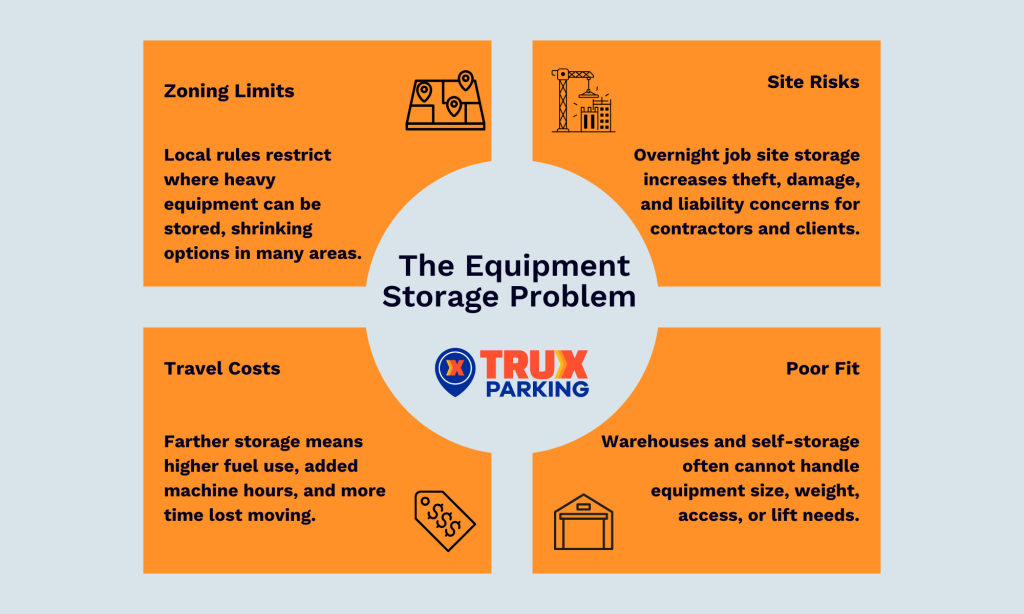
Space is at a premium. Urban development has swallowed up many of the lots that contractors once used for equipment parking. Zoning restrictions have made it harder to store heavy equipment in commercial and industrial areas.
Many contractors resort to parking machinery at job sites overnight. This creates security risks and potential liability issues. Others drive equipment back to a home base miles away, wasting fuel and putting extra hours on machines.
The logistics of moving equipment between storage and work sites can eat into profit margins quickly. Without a dedicated storage facility nearby, contractors spend more time coordinating equipment delivery than actually working.
Long Waits and Limited Warehouse Space
Indoor warehouse storage sounds appealing, but availability is scarce. Warehouse space in most metro areas has waitlists stretching months or even years. The e-commerce boom has claimed much of the available indoor warehouse inventory.
Even when space opens up, the cost often prices out smaller contractors. Monthly rates for climate-controlled storage can exceed what many businesses budget for overhead.
Why Traditional Options Fall Short
Traditional storage solutions weren’t designed with heavy equipment in mind. Standard storage units can’t accommodate:
- Excavators and backhoes
- Flatbed trailers and lowboys
- Boom lifts and scissor lifts
- Order picker machines and forklifts
- Overhead gantry crane systems
Self-storage facilities have size limits and weight restrictions. Most prohibit industrial machinery entirely. Contractors need a storage option built for their specific needs.
What Industrial Outdoor Storage Actually Is
Industrial outdoor storage refers to a designated yard space where businesses can park, stage, and secure large equipment. These facilities cater specifically to commercial and construction clients.
Unlike a random empty lot, a professional outdoor storage yard offers controlled access, defined parking areas, and security measures. The space is designed to handle the weight and size of heavy duty machinery.
Typical Uses: Vehicles, Machinery, and Trailers
Contractors use outdoor storage for a wide range of assets:
- Construction equipment: Excavators, loaders, dozers, and graders
- Fleet vehicles: Dump trucks, cement mixers, and service trucks
- Trailers: Flatbeds, enclosed trailers, and specialized haulers
- Material handling equipment: Forklifts, pallet jacks, and lift equipment
- Specialty machinery: Generators, compressors, and welding rigs
The flexibility of outdoor storage means you’re not limited by door heights or floor load capacity.
Why Demand Is Growing
Several factors are driving more contractors toward outdoor storage solutions:
- Rising real estate costs have pushed equipment out of traditional yards
- Supply chain delays mean contractors hold more inventory on hand
- Project-based work requires flexible, short-term, and long-term storage
- Insurance companies increasingly require secure storage facility documentation
- Outdoor storage meets these demands without the overhead of building or leasing a private yard.
The Benefits of Outdoor Storage for Your Fleet
Quick Access and Staging Near Job Sites
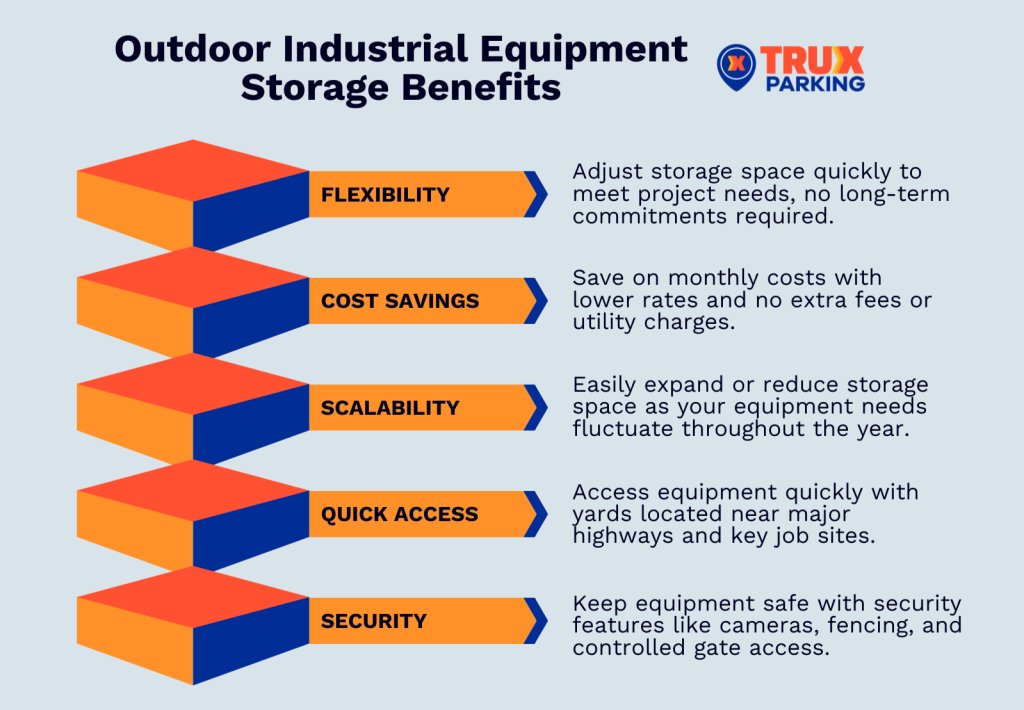
Location matters when you’re running multiple projects. A storage yard positioned near major highways or job site clusters saves hours of transport time each week.
Many contractors use outdoor storage as a staging area. Equipment can be prepped and organized before moving to the next job. This approach supports better material flow and reduces downtime between projects.
Unlike locked warehouse facilities with limited hours, many outdoor storage yards offer extended access. Some provide 24/7 entry for clients with active projects.
Cost Advantages Over Indoor Space
The math is straightforward. Outdoor storage costs a fraction of indoor warehouse rates. You’re paying for ground space, not climate control and finished interiors.
For equipment that’s built to withstand outdoor conditions, paying premium rates for indoor storage doesn’t make financial sense. Most heavy equipment and industrial machinery are designed for year-round outdoor use.
The savings add up quickly:
- Lower monthly rates per square foot
- No utility surcharges
- Flexible lease terms without long commitments
- Reduced insurance premiums compared to on-site storage at job locations
Your storage requirements will change as your business evolves. Winning a large contract might mean adding three trucks to your fleet overnight. Outdoor storage facilities can accommodate growth without lengthy negotiations.
Need more space next month? Most yards can adjust your footprint. Scaling down during slow seasons is equally simple. This flexibility protects your cash flow and matches storage space to actual needs.
How to Decide Where to Store Your Equipment
Matching Storage to Equipment Type
Not all storage is created equal. Consider what you’re storing before signing a contract.
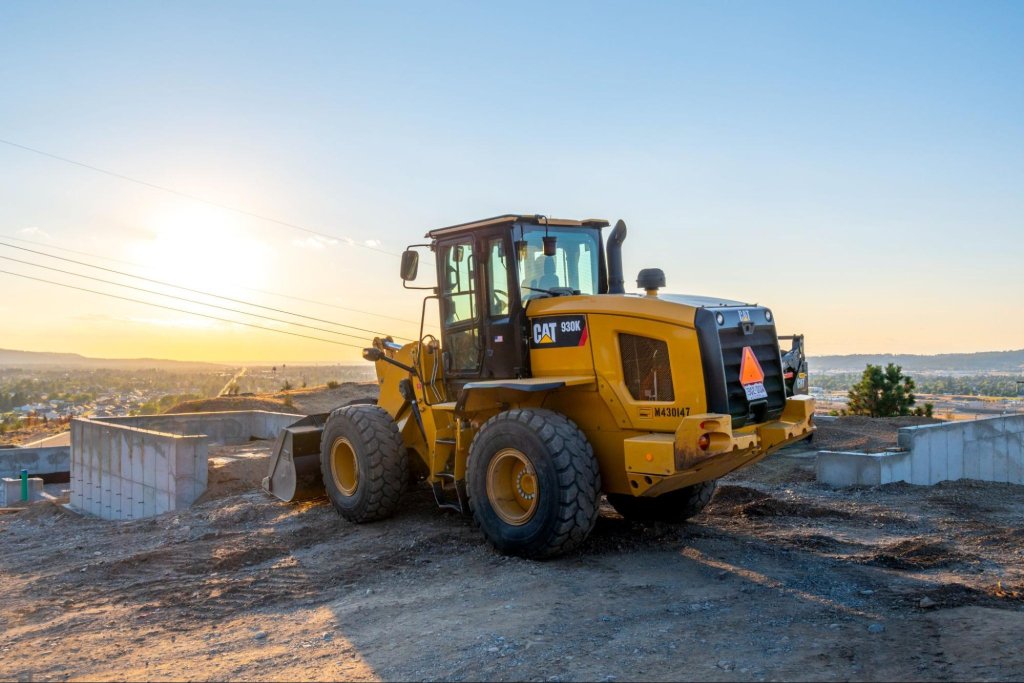
Heavy equipment like excavators and cranes need solid, level ground that can handle the weight. Lighter trailers and vehicles have more flexibility. Some equipment benefits from covered storage to protect hydraulics and electronics from weather exposure.
Ask potential facilities about:
- Ground surface and drainage
- Space dimensions and maneuvering room
- Any height or weight restrictions
- Covered versus uncovered storage options
- Planning Around Job Cycles and Seasons
Your storage needs likely fluctuate throughout the year. Construction slows in the winter months across many regions. Landscaping equipment sits idle from late fall through early spring.
Choose a facility that understands seasonal patterns. Look for month-to-month options or contracts that allow adjustments. Avoid locking into annual commitments if your work is project-based.
Consider proximity to your typical job sites. A facility 50 miles away might have lower rates, but the transport costs and time will offset those savings.
Industrial Equipment Storage Checklist
Here’s what to evaluate:
- Access control: How do you enter and exit? Are there gate codes, key cards, or staffed entrances?
- Security features: Cameras, lighting, and fencing
- Ground conditions: Paved, gravel, or dirt? How does it handle rain?
- Traffic flow: Can you maneuver large equipment easily?
- Operating hours: When can you access your equipment?
Trux Parking: Outdoor Storage for Industrial Equipment
Trux Parking provides outdoor storage designed for businesses managing industrial equipment and heavy machinery. Each lot includes reinforced surfaces, reliable monitoring, and security measures configured for large equipment. The facility layout supports safe maneuvering while keeping your valuable assets clearly arranged. The storage yard features perimeter fencing, controlled gate access with individual credentials, and security cameras monitoring activity around the clock. These measures provide peace of mind whether you’re using secure storage for a weekend or an entire season.
Locations near major highways help crews move equipment with minimal travel time. Businesses can place industrial machinery in storage during project transitions and retrieve it when needed. Storage space is available on a daily, weekly, or monthly basis to match your unique needs.
Visit our secure facilities in:
- Georgia
- Texas
- Idaho
- Mississippi
- Oklahoma
- Ohio
- Utah
- Pennsylvania
- North Carolina
- Florida
- Oregon
- Nevada
- South Carolina