

At a Glance: A fleet manager oversees a company’s fleet of commercial vehicles. Their job responsibilities include supervising drivers, maintaining vehicles, managing fuel consumption, and staying compliant with safety and environmental regulations. The goal is to improve fleet performance, lower costs, and keep daily operations running efficiently.
The transportation industry depends on strong leadership and organized systems. Fleet managers fill that need by coordinating every detail of fleet operations. They manage vehicles, drivers, and schedules while balancing safety regulations and operating costs. Their work directly influences operational efficiency, fuel use, and customer satisfaction.
Modern logistics companies use technology and fleet management software to help organize data and improve decision-making. From scheduling repairs to analyzing driver behavior, fleet managers keep entire operations moving smoothly. Their position requires technical knowledge, organization, and problem-solving under pressure.
What Does a Fleet Manager Do?
Fleet managers oversee the people, vehicles, and processes that keep transportation services reliable. They monitor maintenance schedules, assign drivers, and report results to upper management. The position combines leadership, data analysis, and coordination skills.
Common daily tasks include:
- Supervising vehicle maintenance and repairs
- Managing driver schedules and performance
- Tracking operational costs and fuel efficiency
- Coordinating compliance with safety standards
- Planning routes and rest stops
- Overseeing recordkeeping for inspections and reports
Fleet managers play a direct role in safety, productivity, and company profitability. Their focus on prevention, organization, and communication keeps every route on time and every truck road-ready.
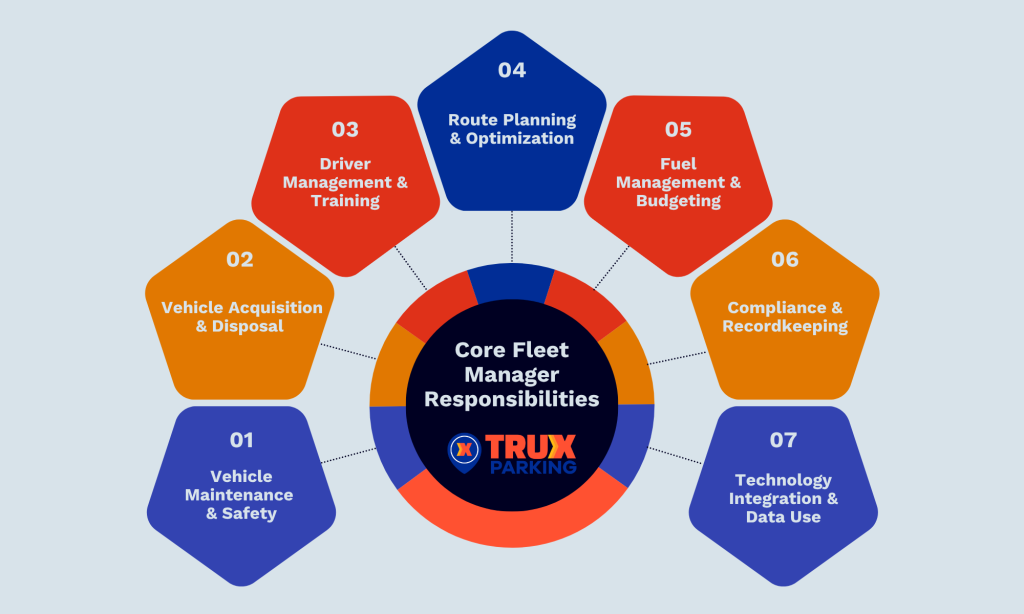
Core Fleet Manager Responsibilities
Fleet managers balance multiple priorities each day. Their responsibilities range from maintenance and training to budgeting and technology use. Each area supports a reliable and cost-effective operation.
Vehicle Maintenance and Safety
A healthy fleet begins with a consistent maintenance schedule. Regular maintenance prevents breakdowns, extends vehicle lifespan, and keeps operations safe.
Key maintenance duties:
- Schedule inspections, repairs, and servicing for every vehicle
- Track parts replacements and maintenance costs
- Review repair logs to predict future needs
- Follow federal regulations for vehicle condition and documentation
- Coordinate maintenance to reduce downtime and disruptions
A proactive approach to safety and recordkeeping helps avoid expensive repairs and penalties. This also supports fleet safety standards and ensures that drivers have dependable equipment.
Vehicle Acquisition and Disposal
Fleet managers oversee the full lifecycle of each vehicle, from purchase to replacement. This part of fleet maintenance requires planning and financial judgment.
Key lifecycle duties:
- Select and purchase or lease new vehicles that meet company needs
- Negotiate pricing and contract terms with dealers and vendors
- Monitor vehicle performance and usage data to plan replacements
- Manage the sale, disposal, or remarketing of retired vehicles
- Track costs and evaluate return on investment for each acquisition
This responsibility connects to long-term budgeting and asset management. Strategic vehicle acquisition helps reduce operational costs and supports overall fleet performance.
Driver Management and Training
Fleet managers are leaders who motivate and support drivers. Effective communication and organization are essential to this part of the job.
Driver management includes:
- Recruiting and onboarding qualified drivers
- Monitoring driver behavior and adherence to company policy
- Offering training focused on safety and customer service
- Managing schedules to comply with rest requirements
- Addressing performance issues through clear feedback
Strong leadership skills create trust between drivers and management. Ongoing training promotes safety and helps maintain consistent service quality across the vehicle fleet.
Route Planning and Optimization
Fleet performance often depends on how routes are designed and monitored. Data-based route planning reduces travel time and fuel use.
Typical responsibilities:
- Use fleet management software to analyze routes
- Adjust schedules to avoid congestion or unsafe areas
- Plan rest stops and service intervals for longer routes
- Review GPS data to compare performance and efficiency
A strategic planning process minimizes wasted miles and supports better delivery times. It also improves driver satisfaction by avoiding last-minute changes and stressful delays.
Fuel Management, Budgeting, and Cost Control
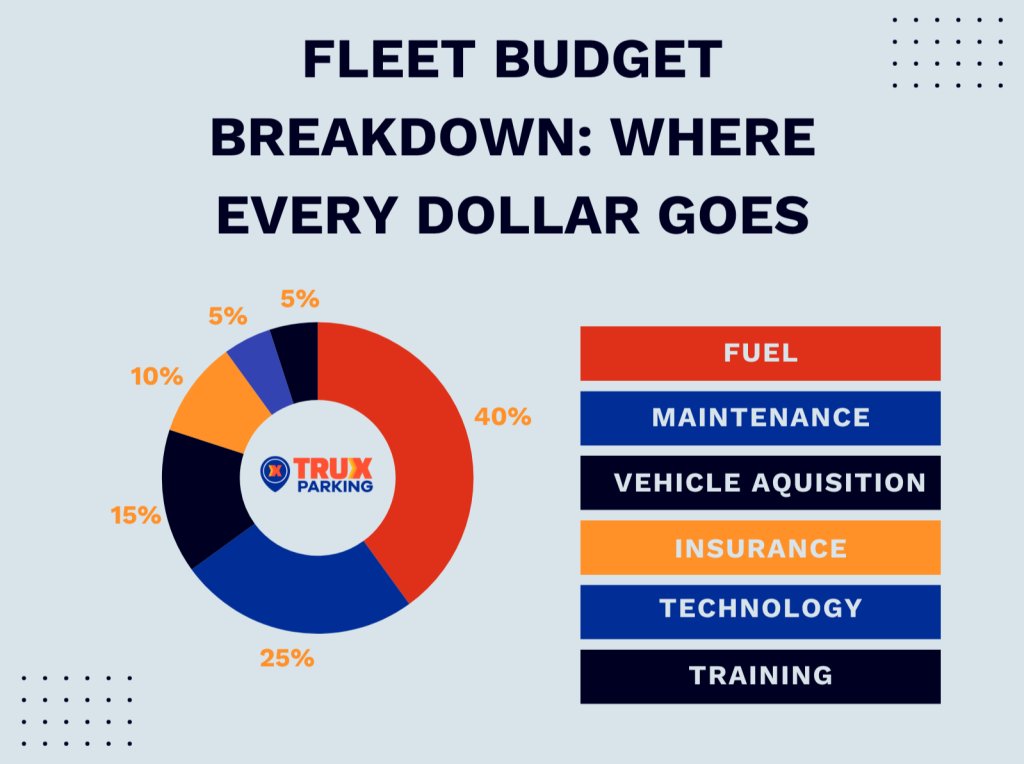
Fuel and maintenance represent significant operational costs. Fleet managers monitor these expenses closely to meet company targets and stay within budget.
Cost management duties:
- Track total fuel consumption and analyze patterns by route
- Reduce idle time to improve fuel efficiency
- Compare vendor contracts and fuel card programs
- Forecast and report budget performance to upper management
- Prepare cost-analysis summaries for maintenance and replacement cycles
- Set realistic spending targets and measure financial results
This budgeting process supports financial transparency and helps maintain a healthy balance between performance and cost control.
Compliance and Recordkeeping
Regulatory compliance is part of every fleet manager’s routine. Maintaining organized records prevents fines and protects the business during audits.
Compliance duties include:
- Keeping insurance, licensing, and inspection files updated
- Ensuring vehicles meet safety regulations and emissions standards
- Monitoring driver hours of service, permits, and certifications
- Tracking adherence to environmental regulations
- Reporting safety metrics to upper management
Accurate records also support transparency across departments. They help management evaluate long-term trends in performance and cost.
Technology Integration and Data Use
Modern fleet management depends on accurate, accessible data. Fleet managers use advanced tools to monitor vehicles and guide decisions.
Technology applications include:
- Using telematics systems to track location and speed
- Monitoring vehicle diagnostics for early maintenance alerts
- Employing GPS tracking and data dashboards for fleet visibility
- Combining analytics with driver data to predict maintenance needs
Technology allows fleet managers to act quickly, improve operational efficiency, and make evidence-based choices that strengthen daily operations.
Skills and Qualities of a Successful Fleet Manager
The best fleet managers blend leadership and analysis. Their skills support both people and vehicles.
Core traits include:
- Strong leadership skills for managing large teams
- Analytical skills to interpret data and identify trends
- Organizational skills for coordinating complex schedules
- Knowledge of maintenance costs and budgeting principles
- Familiarity with logistics, safety standards, and transportation laws
- Effective communication with drivers, mechanics, and leadership
Many employers prefer candidates with a bachelor’s degree in logistics, business management, or a related field. Education combined with hands-on experience prepares fleet managers to make confident, data-driven decisions.

Challenges Fleet Managers Face
Fleet managers must adapt to changes in cost, regulation, and workforce availability. Their ability to solve problems quickly has a direct effect on company results.
Current challenges include:
- Managing limited parking for commercial vehicles
- Rising fuel costs and unpredictable maintenance expenses
- Balancing driver shortages with growing freight demand
- Keeping up with safety and federal regulations
- Adapting to new software and data systems
These challenges require consistent communication with teams and partners. A clear strategy helps maintain compliance and operational stability even when resources are stretched thin.
TRUX Parking: Supporting Fleet Managers Nationwide
Fleet managers are responsible for keeping every truck, driver, and delivery on schedule. Finding safe, reliable parking should never stand in the way. TRUX Parking makes that part easy with secure, access-controlled lots designed for commercial vehicles. Each facility features gated entry, bright lighting, and 24/7 surveillance that keeps both trucks and cargo protected.
With convenient locations near major highways and distribution centers, TRUX Parking gives fleet managers the confidence to plan routes and rest periods efficiently. Our platform helps drivers reserve spots in advance, reducing downtime and improving safety across the fleet.
Visit our secure facilities in:
- Georgia
- Texas
- Idaho
- Mississippi
- Oklahoma
- Ohio
- Utah
- Pennsylvania
- North Carolina
- Florida
- Oregon
- Nevada
- South Carolina
Reserve your spot with TRUX Parking today and join thousands of professional drivers and fleet managers who prioritize safety, compliance, and peace of mind in their parking choices.